
Getting you out of pain!
Do you have pain in a tooth that won’t subside?
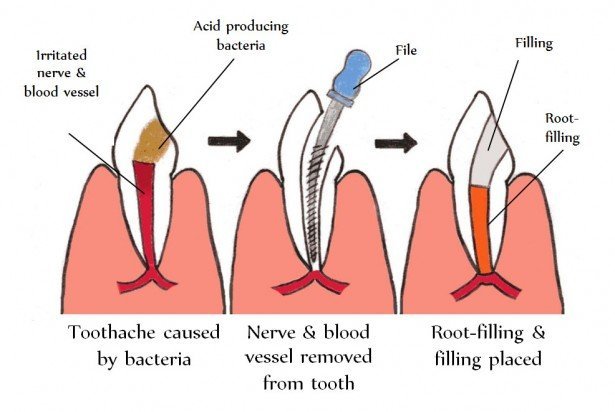
If tooth decay extends into the pulp of the tooth where the nerves are, the tooth will start to “die” and the canals will become infected. This usually causes severe toothache or swelling.
At this stage, you may be given two options:
- Extract the infected tooth, or
- Root Canal Treatment to try to “save the tooth”.
Root canal treatment, also known as endodontic treatment, can help to prevent the infection from spreading further, and protect the tooth from further damage. It is about 95-98% successful, depending on the position and condition of the tooth.
The two aims of the root canal treatment process are:
- To clean the tooth canals of any debris, blood, bacteria and infection
- To seal the canals and prevent further ingress of bacteria
You should seek dental care if you experience:
- Dull throbbing toothache
Teeth sensitivity to hot and cold - Bad breath and teeth becoming loose
- Tender feeling on touching or chewing
- Extreme or severe pain and swelling of the gums and face
- Pus oozing out of affected tooth
What happens during the root canal procedure?
- You will be given a local anaesthetic to ensure a comfortable experience.
- Once the area is numb, the root canal/endodontic treatment will begin.
- The dentist will clean out the tooth’s root canal infection through a small hole made from the top of the tooth into the pulp chamber. The dental pulp (ie. connective tissue made up of blood vessels and infected nerve tissue) is removed. Thin files and a cleaning solution are used to clean out the canals.
- The dentist then shapes the canal into smooth, hollow tunnels.
- After shaping and cleaning, the dentist fills the root canals with a material called gutta-percha (a rubber-like material), which is then mounted with an adhesive cement to seal up the root canals completely. This barrier prevents bacteria from entering the canal and re-infecting it.
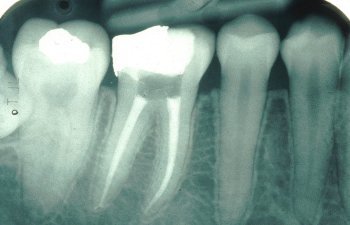
It is very important that the root canal filling material fills the entire length of the natural tooth canal. You may notice us taking some measurements from the x-rays to ensure this.
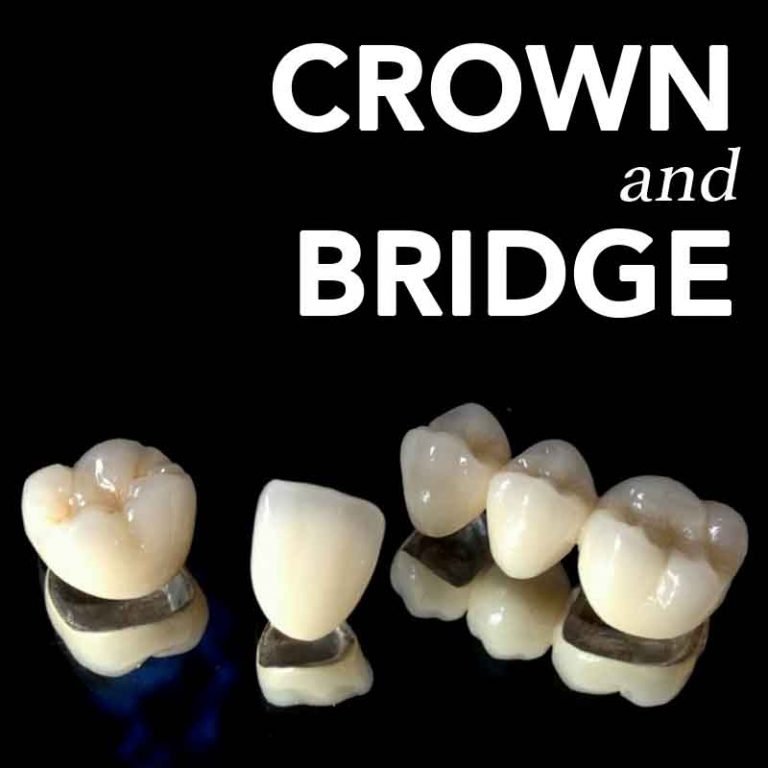
After root canal treatments, you are advised to place a crown over the tooth. This provides structural strength to the tooth and promotes its longevity. It also helps to prevent further treatment complications occurring in the future.
Aftercare for root canals:
- Take all prescribed medications as directed to prevent further tooth infection.
- Avoid chewing or biting on the tooth immediately after. Eat soft foods instead and keep hydrated.
- Wait for complete recovery to consume foods that are hard or chewy.
- Keep the affected area clean by maintaining good oral hygiene habits.
- Occasionally, some people continue to experience pain after a root canal treatment. If the pain does not settle down after a few days, please contact our team at Aperture Dental Practice for assistance.
X-ray of Root Canal Treated Tooth
Root canal treatment Sunnybank Hills
Do you prefer a comfortable and gentle root canal treatment? Our team at Aperture Dental Practice are committed to making you feel at ease.
Contact us on (07) 3132 3848 to arrange an appointment today!
Root Canal Dental Procedure FAQs
A tooth pulp infection or damage to the root canal system can occur for several reasons. The main causes of an infected pulp in need of root canal therapy include:
Deep Decay (Cavities):
- Bacterial Infiltration: When a cavity is left untreated, bacteria can penetrate through the enamel and dentin layers of the tooth, creating deep tooth decay and eventually reaching the pulp. This leads to inflammation, pain, and, if left untreated, an abscess.
Repeated Dental Procedures:
- Tooth Sensitivity: Repeated dental work on a tooth, such as multiple fillings, crowns, or other restorations, can irritate the pulp. Over time, this irritation can cause the pulp to become inflamed or damaged, increasing the risk of infection.
Cracks or Chips in the Tooth:
- Pathway for Bacteria: A cracked or chipped tooth can expose the pulp to bacteria in the mouth. Even a micro-crack that isn’t visible can allow bacteria to enter the tooth, leading to pulp infection or damage. You may have a higher risk if you grind your teeth, or have larger fillings.
Trauma or Injury to the Tooth:
- Physical Impact: A physical injury, such as a blow to the mouth, can cause damage to the tooth that may not be immediately visible. Even if the tooth doesn’t crack or chip, the trauma can harm the pulp, either by cutting off its blood supply or by directly damaging the nerve tissue.
Advanced Gum Disease (Periodontitis):
- Infection Spread: Severe gum disease can cause the gums to recede and create pockets around the teeth. If the infection spreads deep enough, it can reach the tooth's root and affect the pulp, leading to infection and damage.
Extensive Wear or Attrition:
- Erosion of Tooth Structure: Teeth that have been significantly worn down due to grinding (bruxism) or acid erosion can expose the pulp to harmful stimuli, increasing the likelihood of inflammation or infection.
Failed Dental Work:
- Inadequate Seals: Poorly done or failed dental work done elsewhere, such as an improperly sealed filling or crown, can allow bacteria to enter the tooth, eventually reaching and infecting the pulp.
These factors can compromise the health of the tooth's pulp, leading to pain, infection, and the need for a root canal or other treatments to preserve the tooth and prevent further complications. If you suspect you have an infected root canal, book into Aperture Dental Practice today and see a root canal specialist to have all your questions answered.
Root canal procedures have had a reputation for being painful, but with modern dental techniques and anaesthesia, it is usually no more uncomfortable than getting a regular filling. At Aperture Dental, we will ensure you are as comfortable as possible. There is no reason to avoid root canal treatment. It is often a much more preferable treatment than having the tooth removed.
Here’s what you can expect:
During the Procedure: [h4]
- Local Anaesthesia: Before the procedure begins, we will ensure the area around the affected tooth is treated with a local anaesthetic. This numbs the tissues surrounding the tooth and the tooth itself, so you won’t feel pain during the procedure. You might feel some pressure or slight discomfort, but it shouldn't be painful.
- Minimal Pain: Most patient outcomes report that the sensation during the procedure is similar to that of having a cavity filled. The primary discomfort is often reported as coming from having to keep your mouth open for an extended period. Our experienced dentists at Aperture Dental will ensure the procedure is over as soon as possible.
After the Procedure: [h4]
- Post-Procedure Soreness: It’s common to experience some mild pain or tenderness in the area after the anaesthesia wears off. This is usually due to the cleaning and shaping of the root canals and the body’s natural healing response. Over-the-counter pain relievers like ibuprofen or acetaminophen are typically effective in managing this discomfort.
- Temporary Sensitivity: The tooth may feel slightly sensitive for a few days after the procedure, especially when biting or chewing. This sensitivity should decrease over time as the tooth heals.
Managing Pain: [h4]
- Follow-Up Care: We will provide you with instructions on how to care for your tooth after the procedure. Following these guidelines can help minimise discomfort and ensure a smooth recovery.
While the idea of a root canal might seem daunting, advancements in dental technology and anaesthesia have made the procedure much less painful than it once was. Most people find the experience manageable, with the post-procedure relief from the original infection and pain being well worth it.
After the initial treatment of the root canal, a tooth can last for many years, potentially even a lifetime, if it is properly cared for. The procedure itself removes the damaged or infected pulp from the tooth, but the structural integrity of the tooth is preserved.
Your dentist, or endodontist, will recommend a root canal where possible over a tooth extraction. This is because although the tooth hurts, once the infected material is removed, the surrounding tissue will repair itself and you will be able to keep your original tooth, possibly for life! A temporary filling will eliminate bacteria from reinfecting the tooth until a crown is put in place.
However, several factors can influence the longevity of a root canal-treated tooth:
Proper Restoration:
- After a root canal, the previously damaged tooth may become more brittle due to the removal of the pulp and the drying out of the tooth structure. To protect and restore the tooth’s function, we usually recommend capping it with a permanent crown.
This crown helps prevent fractures and provides the strength needed for daily activities like chewing. Ensuring that the tooth is properly restored with a high-quality crown is crucial for its long-term survival.
Practice Good Oral Hygiene:
- Maintaining excellent oral hygiene is essential for the longevity of a root canal-treated tooth. Brushing teeth twice a day, flossing daily, and using an antibacterial mouthwash can help prevent the build-up of plaque and tartar, which could lead to further dental issues.
Even though the treated tooth no longer contains living pulp, it can still be affected by gum disease or decay around the crown if not properly cared for.
Regular Dental Checkups:
- Routine dental visits are important for monitoring the health of the treated tooth and the adjacent teeth and gums. During these visits, we can check for any signs of problems, such as cracks in the crown, gum recession, or issues with the tooth’s root.
Early detection of any issues allows for timely intervention, which can extend the life of the treated tooth.
Avoiding Excessive Stress:
- Teeth that have undergone root canals can be more susceptible to damage from excessive force. Avoiding habits like grinding or clenching your teeth (bruxism), biting on hard objects like ice or pens, and using your teeth as tools can help protect the treated tooth from unnecessary stress.
If you grind your teeth at night, your dentist may recommend a night guard to protect your teeth while you sleep.
Healthy Lifestyle Choices:
- Your overall health and lifestyle can also play a role in the longevity of a root canal-treated tooth. A balanced diet rich in vitamins and minerals supports oral health, while avoiding tobacco products and excessive sugar can prevent further dental issues.
Staying hydrated and managing conditions like diabetes, which can affect oral health, also contribute to the long-term success of your dental treatments.
Endodontically treated teeth can remain healthy and functional for many years, even a lifetime, with the right care. By following our advice, maintaining good oral hygiene, and protecting the tooth from excessive wear and tear, you can help ensure that your investment in preserving your natural tooth pays off in the long run.
While the known symptoms are strong indicators that you may need a root canal, only a qualified dentist, like one from our team at Aperture Dental Practice in Sunnybank Hills, can determine if endodontic therapy is necessary.
If you’re experiencing any of the known signs or symptoms, it’s essential to schedule a dental visit as soon as possible. During the appointment, your dentist will examine your tooth, take x-rays if necessary, and determine the best course of action.
Early intervention can prevent the infection from spreading and help save your natural tooth. Delaying treatment may lead to more severe complications, including tooth loss, so it’s important to contact us today or call us now on (07) 3132 3848 to seek professional advice if you suspect you may need a root canal.
Signs and Symptoms:
Recognising the signs and symptoms that may indicate the need for a root canal is crucial for addressing dental issues before they become more severe. Here are some of the most common indicators that you might need a root canal:
Severe Toothache:
- Persistent Pain: A toothache that doesn’t go away or worsens over time is a major red flag. The pain may be sharp, throbbing, or constant, and it may intensify when you bite down or apply pressure to the tooth.
This type of pain often indicates that the soft tissue, known as pulp, inside your tooth is damaged or infected, necessitating a root canal to relieve the discomfort and save the tooth.
Prolonged Sensitivity to a Hot or Cold item:
- Lingering Sensitivity: It’s normal for teeth to be somewhat sensitive to hot or cold foods and drinks, but if the sensitivity lingers long after the stimulus is removed, it could be a sign that the pulp is inflamed or infected.
This type of prolonged sensitivity typically suggests that the nerve inside the tooth is affected, making a root canal a likely treatment option.
Tenderness When Chewing or Touching the Tooth:
- Pain on Contact: If you experience pain or discomfort when chewing, biting, or even lightly touching the tooth, it may indicate that the infection or inflammation has spread to the surrounding tissues and bone.
This tenderness is often a sign that the tooth’s pulp is compromised, and a root canal may be needed to treat the underlying issue.
Tooth Discoloration:
- Darkening of the Tooth: A tooth that becomes discoloured, particularly if it turns grey or darkens significantly, may have a damaged or dying nerve inside.
This discoloration occurs because the pulp tissue is breaking down and releasing byproducts that seep into the tooth’s hard tissues. A root canal can remove the damaged tissue and restore the tooth’s appearance and health.
Swelling or Tenderness in the Surrounding Gums:
- Gum Issues: Swelling, tenderness, or a small pimple-like bump (abscess) on the gums near the affected tooth can indicate an infection that has spread from the pulp to the surrounding bone and tissues.
This is a serious condition that often requires a root canal to remove the infection and prevent it from spreading further.
Abscess Formation:
- Pus-Filled Pocket: An abscess is a pus-filled pocket that forms at the root of the tooth due to a bacterial infection. It can cause severe pain, swelling, and sometimes fever or a foul taste in the mouth.
An abscess is a clear sign that the infection has progressed and that a root canal is likely needed to drain the abscess and treat the infection.
Foul Odour or Taste:
- Persistent Bad Breath or Unpleasant Taste: If you notice a persistent bad taste or odour in your mouth, it could be due to an infection inside the tooth. This odour is caused by the breakdown of infected tissue and the presence of bacteria.
A root canal can remove the source of the infection and eliminate the foul odour or taste.
Contact Us
Contact us today to talk about our range of complex, cosmetic and general dentistry. Our friendly Aperture Dentists Sunnybank Hills team will be in touch with you soon. We are conveniently located to service patients living in surrounding areas, including Calamvale, Acacia Ridge, Runcorn, Coopers Plains and Kuraby. We are just a short drive for patients looking for a Dental Clinic in Sunnybank, Mt Gravatt and Macgregor regions.